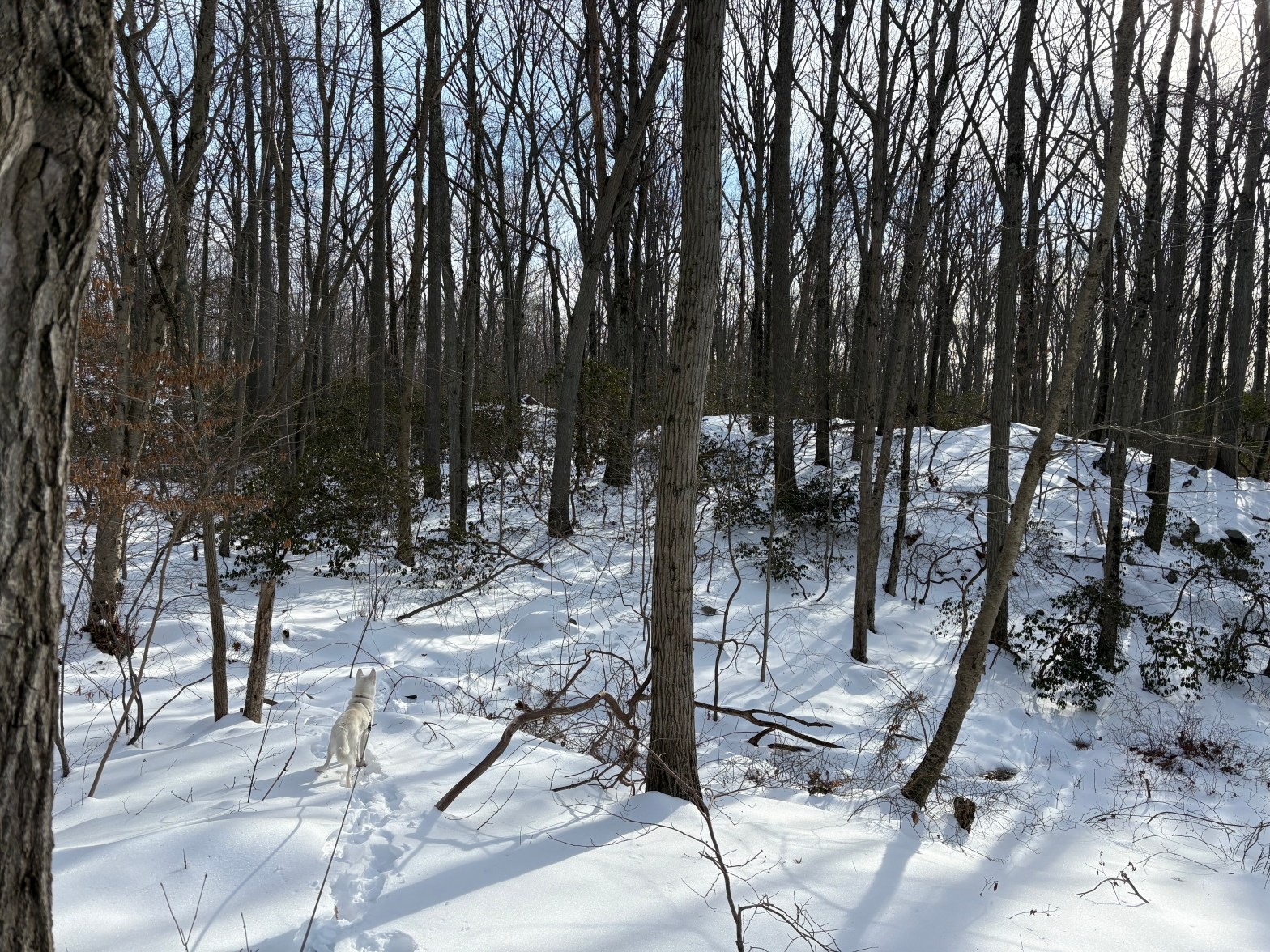
As hard as Ranger School was, Reconnaissance School was harder. It was more challenging physically because it came 10 days after Ranger School, where I’d lost 15 pounds and gotten substantially weaker. For the same reason, it was doubly challenging mentally and emotionally. We worked out harder, marched longer, stayed up later. It was hell, pure torture. And it was the thing I needed to pass in order to get to Italy, to the 173rd Airborne Brigade.
That made the suffering — what is anecdotally known as “Ranger School’s 4th Phase” — worth it.
The unfortunately named Reconnaissance and Surveillance Leaders Course or “RSLC” (sound it out with a British accent) was in addition to the most challenging Army school I endured, the one that taught me the most lessons about fieldcraft. Filled with excellent instruction, RSLC taught me important things that I use to this day. The most important of which was, both for the purposes of remaining undetected as a reconnaissance scout and also as someone who enjoys walking in a snowy nature preserve during wintertime: stick to the road less traveled.
In military terms, there’s always a reason the road is less traveled. It’s in nasty, swampy terrain. It’s near steep and treacherous hillsides. It goes through a stream. Dangerous wild animals lurk nearby. No sane person would walk there, let alone set up camp overnight.
Such a place is perfect for a camp, because nobody thinks to patrol there — certainly not frequently, or with any special interest. It’s usually thick with brush. Difficult to access or leave. Perfect for scouts to hide overnight.
I thought about that training recently while walking my dog in the Short Beach Preserve. In the cold, and the snow, two preserves have emerged. The first, which is easily accessible through normal trails, is festooned with dog waste. One can’t walk 10 feet without encountering evidence that some lazy and thoughtless pet owner let their dog use the trail — not the side of the trail! No! The trail itself! — as a toilet.
Yellow snow is one thing. Who really cares, I think, trudging through in a pair of tan army boots suitable for the desert where I first wore them. I’ve stepped in worse.
But the other — right on the narrow trail — it’s disgusting, vomitous.
So I’ve taken to using another pathway through the preserve. In several places it traverses streams or marshy areas. The dog waste is minimized to the beginning of the trail. I’m not filled with an atavistic revulsion for the waste, and don’t need to grapple with the desire to use my old RSLC training to lay in ambush for these wayward dog owners, then confront them in the moment of their misdeed. Nobody wants something like that, least of all me.
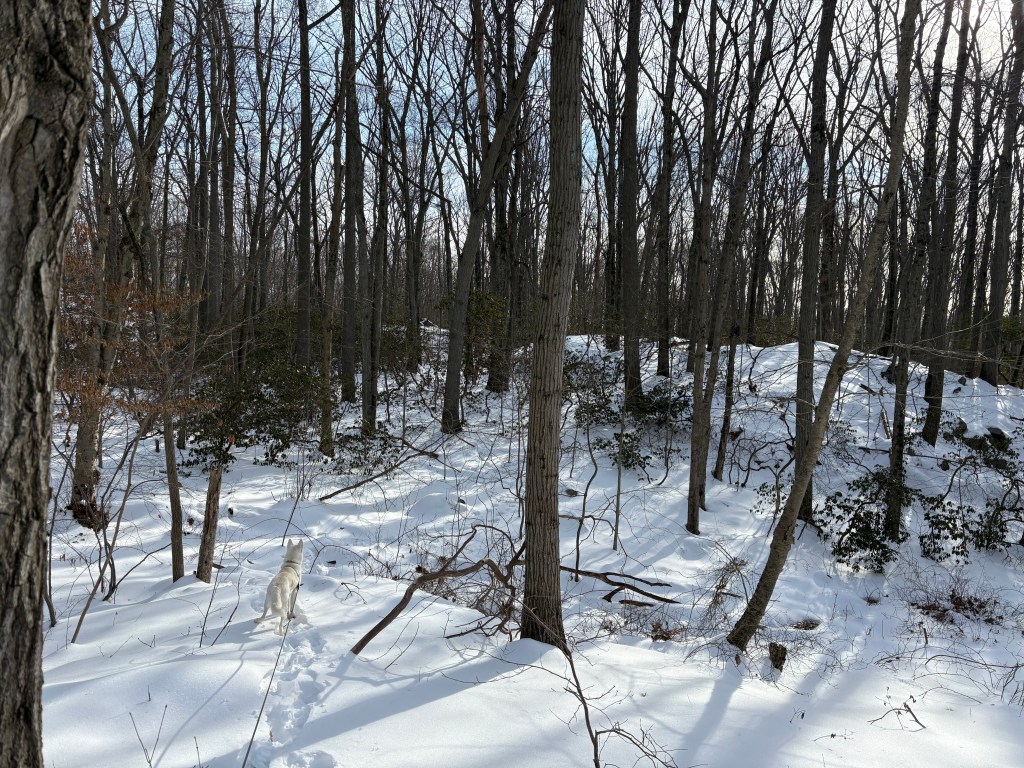
And it works! The trail I’ve carved out has several steep hills, and very nasty terrain that is only traversable when some water has frozen. There’s a coyote family sometimes present (I avoid them when they make themselves known). Dog waste? None to be seen. Some deer and rabbit scat. Par for the course.
Taking the well-traveled roads, you’ll encounter most people — including all of the laziest people, who make things difficult. Whether it’s irresponsible drivers on the highway going too slow or weaving recklessly through traffic or irresponsible dog owners who let their pets use the middle of a walking trail as a restroom, the ease and convenience of the well-trod path also comes with measurable downsides.
If you’re willing to go a little outside your comfort zone, take a few more risks than others — adjusted for your competencies and strengths — your pathway through life is likely to be more pleasant. And, as I learned in RSLC, it may even be (paradoxically) safer.
 The Local Blind Spot